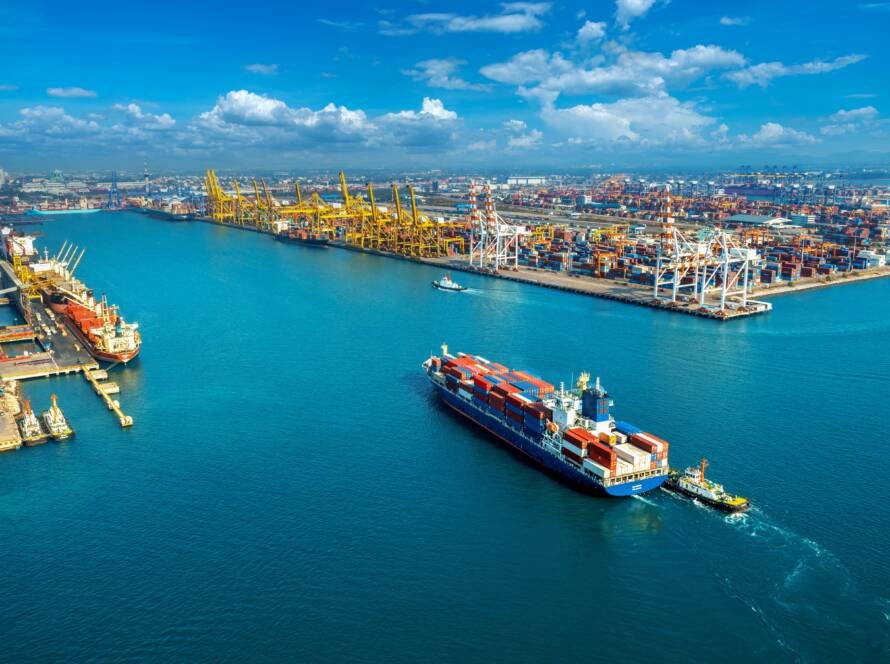


Shipping commercial cargo into or out of Dubai should be a major growth driver for your business, not a constant source of stress. Yet, thousands of local enterprises lose time and money every single month due to simple documentation mistakes at the border.
When your shipping containers sit idly at Jebel Ali Port or Dubai International Airport, your operational overhead skyrocketing.
The good news? Most transit bottlenecks are completely preventable.
The Real Cost of Customs Clearance Delays
Customs clearance isn’t just about paying duties; it is about precise timing. A single mismatched code or missing document can trigger extensive cargo inspections, heavy port storage fees (demurrage), and broken promises to your customers.
To keep your supply chain moving seamlessly across the UAE, incorporate these five critical logistics rules into your workflow.
5 Essential Rules for Smooth UAE Freight Transit
1. Master Your HS Codes
Every product entering Dubai requires a specific Harmonized System (HS) code. Getting a single digit wrong can lead to immediate customs rejections, cargo misclassification flags, or unexpected fines. Always verify your inventory codes against official UAE customs regulations before dispatching cargo.
2. Digitization via Dubai Trade
Do not rely on slow, legacy paperwork. Ensure your business is fully registered and active on the Dubai Trade Portal. Uploading your commercial invoices, certificates of origin, and bills of lading digitally ahead of time allows for pre-clearance processing, significantly cutting down waiting times upon arrival.
3. Secure Correct Ministry Approvals
Depending on your industry, standard customs paperwork may not be enough. Specialized goods require strict cross-agency authorization:
- Food and Cosmetics: Require Dubai Municipality (DM) clearance.
- Pharmaceuticals & Medical Devices: Require Ministry of Health and Prevention (MOHAP) approval.
- Telecom Equipment: Requires Telecommunications and Digital Government Regulatory Authority (TDRA) validation.
4. Optimize Container Packing for Faster Inspections
How your cargo is arranged inside a container matters. Mix-matching heavy hazardous materials with standard consumer goods without clear divider labelling triggers automated inspection flags. Neatly organized pallets with visible exterior manifests help custom officers verify your shipments quickly.
5. Partner with an Authorized Local Broker
The absolute fastest way to eliminate logistics friction is to work with an established on-the-ground partner. Certified customs brokers possess dedicated digital clearances, maintain direct operational loops with port authorities, and can resolve unexpected compliance bottlenecks in real-time.
Let Al-Mataar Logistics Manage Your Supply Chain
Navigating regional import and export laws shouldn’t distract you from scaling your business operations.
At Al-Mataar Logistics, our in-house customs clearance and freight forwarding teams handle all the complex compliance details for you. From securing cross-border ministry approvals to organizing efficient land freight distribution across the GCC, we keep your cargo moving on schedule and within budget.